
Project timelines and long-term operational reliability are shaped well before commissioning day, often at the point where equipment suppliers are first selected. A supplier chosen carelessly at the procurement stage can introduce risk that no amount of careful installation work can fully offset later. The procurement stage establishes many of the expectations that influence how a project progresses. Technical communication, manufacturing capability, delivery planning and ongoing support can all affect whether equipment performs as intended once it reaches site. Reviewing these factors early gives project teams greater visibility over potential risks.
Reliability Is Decided Earlier Than Most Teams Expect
It is tempting to think of reliability purely as an equipment or maintenance issue, but a significant portion of it traces back to decisions made during supplier selection, including how thoroughly process conditions were reviewed and how well equipment was matched to those conditions before manufacturing even began. These early decisions can influence everything from component selection to installation requirements and future maintenance. If important operating details are missed during specification, correcting them later may involve redesign, replacement or additional site work. A structured procurement process helps identify such issues before they become costly problems.
What a Dependable Supplier Brings to a Project
A dependable oil field equipment supplier contributes more than the physical equipment itself. The supplier’s approach to engineering, communication and documentation can influence how effectively the equipment fits into the wider project and how easily potential technical issues are addressed before they affect the schedule. The relationship should continue beyond the quotation and purchase order. Clear technical communication during fabrication, timely responses to queries and properly organised documentation can all support smoother coordination between the supplier, engineering teams, contractors and site personnel throughout the project lifecycle.
Engineering Support During Specification
A supplier genuinely invested in project success reviews process data closely and raises questions where something looks inconsistent, rather than simply processing whatever specification is submitted without comment. This type of involvement can identify details that may otherwise be overlooked, including pressure requirements, fluid characteristics, installation limitations and operating conditions. Raising these points before fabrication gives the project team an opportunity to resolve uncertainties while changes can still be made efficiently.
After-Sales Availability
Reliable performance over years of operation often depends on spares availability and technical support long after the original purchase, something that becomes obvious only when a problem arises and support is either readily available or frustratingly absent. Support arrangements should therefore be understood before the equipment is ordered rather than after an issue occurs. Knowing how technical queries are handled, how replacement parts are sourced and what response times can reasonably be expected helps establish clearer expectations for the operational period.
Common Reliability Gaps in Project Procurement
- Equipment selected purely on catalogue specification without site-specific review
- No clear escalation path when issues arise post-installation
- Limited spares availability once equipment enters service
- Documentation gaps that complicate future maintenance planning
These gaps can create difficulties even when the equipment itself meets the original technical specification. Procurement teams should consider how the selected equipment will be supported throughout its service life, including access to technical information, replacement components and assistance when operating conditions change.
Evaluating Pump Availability and Support Together
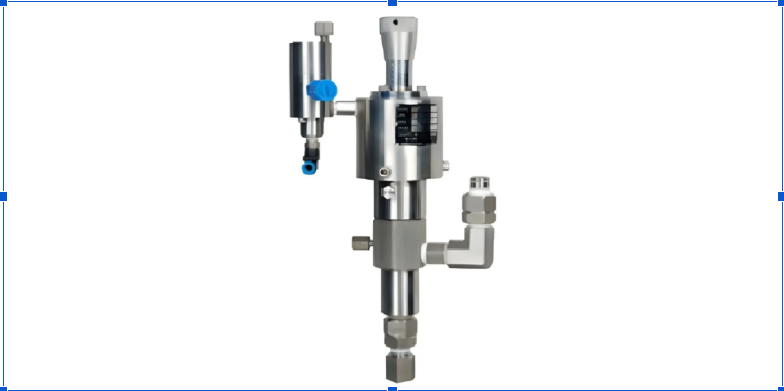
For dosing applications specifically, checking whether a supplier maintains ready availability of a pneumatic metering pump suited to the project’s operating conditions, alongside genuine post-sale support, gives a much clearer picture of reliability than comparing specification sheets alone. Availability during an unplanned failure often matters more than the original purchase experience. A pneumatic metering pump should also be assessed in relation to the site’s actual process requirements rather than availability alone. Factors such as fluid characteristics, required dosing range, operating pressure and utility conditions can influence whether a particular configuration remains suitable during normal and changing operating conditions.
Building Reliability Into the Procurement Process
- Request evidence of similar past projects and operating conditions
- Ask directly about spares stocking and lead times
- Confirm what technical support looks like after delivery
- Review documentation quality before committing to an order
A structured process also makes it easier to compare suppliers against the same requirements. For an oil field equipment supplier, this can include technical review, quality controls, delivery commitments and support arrangements, ensuring that commercial considerations are considered alongside the factors that influence long-term project performance.
Conclusion
Project reliability is built during procurement far more than most teams realise, through the depth of engineering review, spares availability and ongoing support a supplier is genuinely prepared to offer. Selecting carefully at this stage avoids a great deal of operational risk later. NND OIL & GAS supports projects with this kind of sustained reliability, from initial specification through to long-term operational support.