
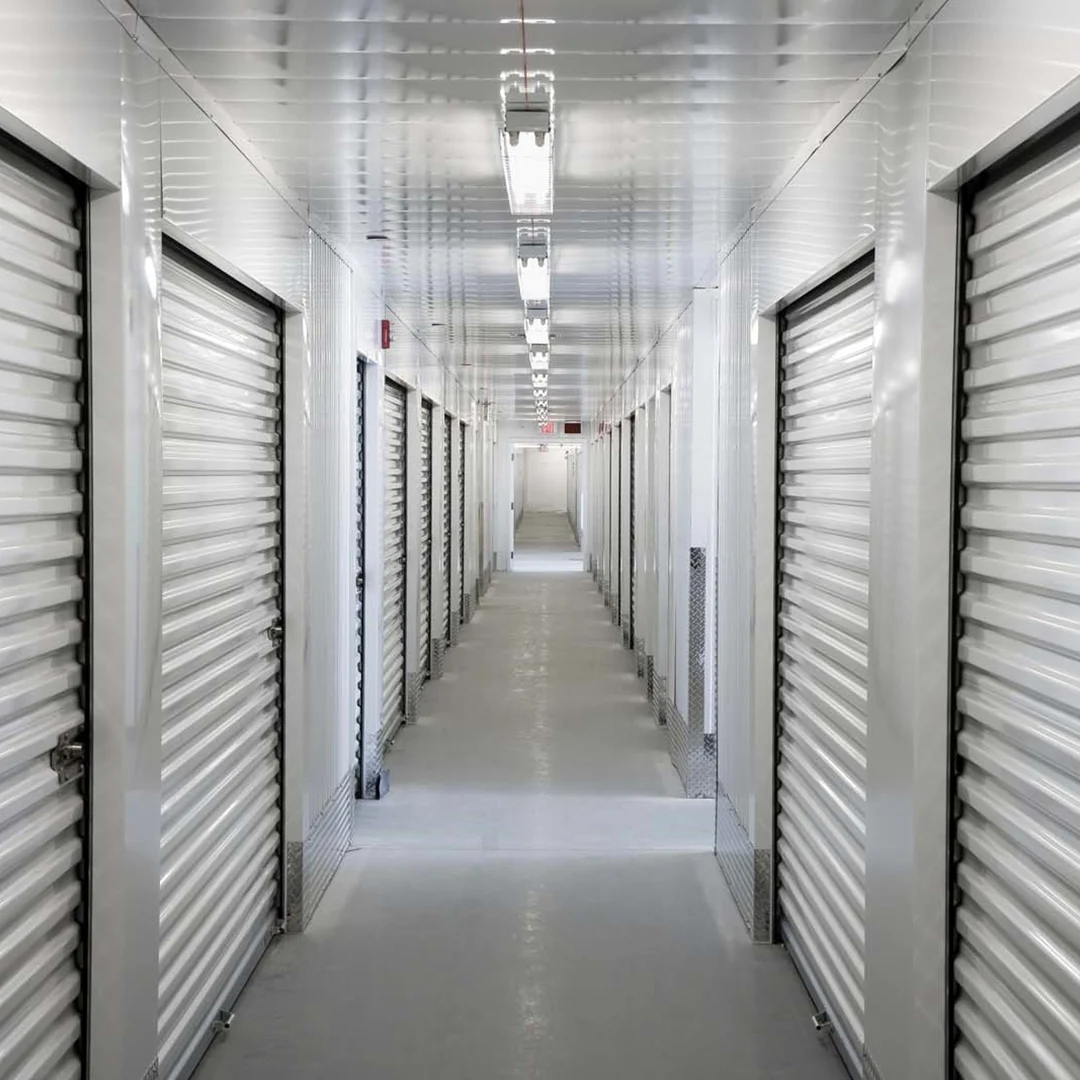
Relocation often creates a gap between leaving one property and fully settling into another. Controlled storage gives households and businesses a practical place to keep sensitive belongings during that transition. Steadier indoor conditions can also reduce exposure to temperature swings while furniture, records, electronics, and other items wait for their final destination.
Why Climate Control Helps During a Staggered Move
Moving schedules do not always line up neatly with closing dates, lease starts, renovations, or delivery windows. Temporary storage can keep belongings out of crowded garages, moving trucks, and unfinished rooms while the next space becomes ready. Flexible rental periods are useful when a closing date shifts or contractors need extra days to finish flooring, paint, or built-in work. For sensitive property, climate controlled storage is especially useful when heat, cold, or humidity changes could affect condition during a delay.
Sensitive Belongings Handle Delays Better Indoors
Wood furniture, musical instruments, electronics, photographs, books, artwork, leather, and important documents can respond poorly to unstable conditions. Repeated temperature changes may cause wood to move, adhesives to soften, paper to curl, and electronics to face condensation risk after rapid shifts. Keeping these materials in a more consistent setting can reduce avoidable stress during relocation.
Packing still matters because controlled conditions cannot fix damp upholstery, dirty surfaces, or weak cartons. Furniture should be dry before wrapping, documents need sturdy boxes, and electronics benefit from supportive packaging. Breathable covers, labeled containers, and careful spacing make later unpacking easier as well. Protective packing also reduces the need to unwrap everything simply to identify what belongs in each room.
Storage Units Can Keep the New Property Clear
Renovations often continue after a move-in date, creating dust, foot traffic, open work areas, and limited room for furniture. Holding nonessential belongings in storage units can give contractors space to work without repeatedly shifting boxes from one room to another. Fewer obstacles may also lower the chance of scratches, broken items, or misplaced cartons. Open rooms give movers clearer paths for large pieces and leave space to inspect walls, floors, and fixtures before final placement.
Short-Term Storage Can Simplify Moving in Stages
Staging a move lets households bring over essentials first and delay less urgent property until the new layout is ready. Clothing, kitchen basics, work equipment, and daily furniture can arrive immediately, while seasonal goods, collections, extra décor, and spare furnishings remain stored. This approach can make the first few days in a new home less crowded.
Businesses can use the same method during office relocations. Files, extra desks, displays, archived materials, and backup equipment may stay off-site until work areas are complete. Teams can then move essential systems first without filling hallways and temporary workspaces with items they do not yet need during longer moves.
Inventory Lists Make Temporary Storage Easier to Manage
Simple inventory prevents boxes from disappearing into an unplanned stack. Numbered containers can match a digital list that records contents, room assignment, and location inside the unit. Clear labels facing the aisle save time when a renter needs one item before the rest of the move is finished. Color coding by room can make the final transfer faster once the new property is ready.
Climate Controlled Storage Supports Longer Delays
Construction problems, closing changes, travel, or job timing can stretch a short relocation into several months. Longer storage means belongings may pass through more than one season, which increases exposure to changing outdoor conditions in standard spaces. These units can provide a more stable setting while the schedule remains uncertain.
Regular checks remain useful during extended stays during each scheduled visit. Renters can inspect box strength, furniture covers, labels, and signs of moisture or shifting loads. Anyone searching for storage units near me should also consider access hours, unit size, indoor loading options, and how often stored property may need to be retrieved.
Better Organization Can Reduce Repacking and Rehandling
Poorly planned storage often creates extra work because belongings must be moved several times before reaching their final room. Grouping boxes by destination, keeping heavy items low, and leaving a narrow aisle can reduce unnecessary handling. Fragile property should remain separate from dense cartons that could press against it during a longer stay. Shelving can further separate delicate goods from heavy boxes while keeping commonly retrieved items visible.
The Right Unit Size Can Keep Relocation Costs Under Control
Households do not always need the largest unit available to manage a move effectively. Measuring furniture, estimating box volume, and planning vertical storage can help match the rental to the actual load. Extra space may be worthwhile when frequent access is expected, but unused capacity can raise costs without adding much value.
Storage Partner helps customers compare storage units for household moves, business relocations, furniture, records, electronics, and other belongings that may benefit from climate controlled storage. People looking for storage units near me can review available sizes and features, then choose a space that supports temporary holding, staged move-ins, and longer relocation delays without crowding the new property.