
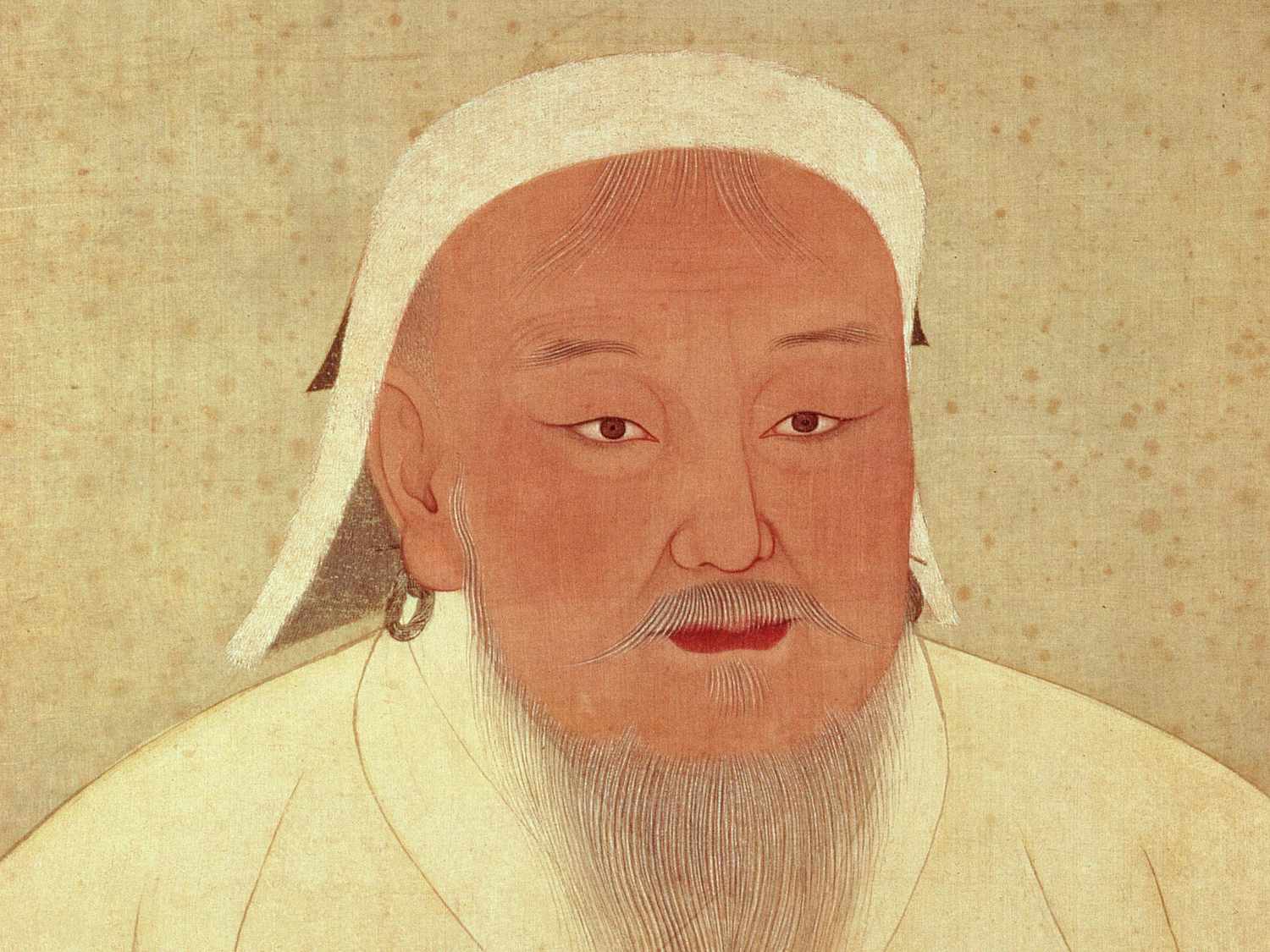
There is no reliable historical balance sheet for Genghis Khan, and modern figures such as ‘$100 trillion’ are speculative. Genghis Khan lived in the 12th and 13th centuries, when wealth was measured through land, livestock, tribute, military control and political power rather than modern financial assets. citeturn0search9
People searching for genghis khan net worth usually want one number. A responsible article needs to do more than provide a figure, because personal wealth is rarely available as a complete public balance sheet. The sections below explain the career, business model, known financial information and the limitations behind published estimates.
Why the question is difficult
Modern net worth calculations depend on records of assets, liabilities and ownership. None of those categories can be reconstructed precisely for a medieval ruler.
Looking at the underlying source gives a much clearer picture than repeating a figure from another website.
What Genghis Khan controlled
The Mongol Empire expanded enormously during his lifetime. Control over territory gave the Mongol leadership access to tribute, trade routes, livestock and other resources.
The practical takeaway is simple: treat the number as a snapshot or estimate, not a guaranteed permanent value.
Empire is not personal property
This distinction is often lost in online lists. A ruler’s control over an empire does not mean every resource inside it was personally owned.
This is one of the reasons financial profiles need context instead of relying on a single figure.
Tribute and taxation
Conquered territories could provide revenue and goods. Such resources supported administration and military campaigns, but they should not automatically be counted as personal wealth.
That distinction is important because a headline number can otherwise sound more certain than the underlying evidence.
The famous huge numbers
Social media posts sometimes assign extraordinary dollar values to Genghis Khan. These calculations generally convert the economic output or territorial reach of an empire into modern money, which is not a standard net-worth method.
Looking at the underlying source gives a much clearer picture than repeating a figure from another website.
Historical scale
The Mongol expansion had a profound economic effect across Asia and Europe. Trade routes and political relationships changed under Mongol rule.
The practical takeaway is simple: treat the number as a snapshot or estimate, not a guaranteed permanent value.
Livestock and resources
For medieval societies, horses, cattle, land and access to trade were meaningful forms of wealth. Their value cannot be translated cleanly into today’s currency.
This is one of the reasons financial profiles need context instead of relying on a single figure.
Why comparisons mislead
Comparing Genghis Khan with modern billionaires creates a false sense of precision. Modern billionaires have documented equity stakes and financial assets; medieval rulers did not.
That distinction is important because a headline number can otherwise sound more certain than the underlying evidence.
What can be said confidently
Genghis Khan was extraordinarily powerful and controlled resources on a vast scale. That is a historical fact even though a precise personal net worth is unknowable.
Looking at the underlying source gives a much clearer picture than repeating a figure from another website.
The better question
Instead of asking for a single dollar figure, historians can examine the size of the Mongol Empire, tribute systems and economic networks.
The practical takeaway is simple: treat the number as a snapshot or estimate, not a guaranteed permanent value.
A lesson in financial reporting
The topic demonstrates why a number can look authoritative while being based on assumptions.
This is one of the reasons financial profiles need context instead of relying on a single figure.
Conclusion
Genghis Khan net worth cannot be reliably stated in modern currency. Any exact figure should be labelled speculative rather than historical fact.
That distinction is important because a headline number can otherwise sound more certain than the underlying evidence.
How to read net worth estimates
When researching genghis khan net worth, start by separating personal wealth from business value. A company can be worth a certain amount while its founder owns only part of it, and a website can have a valuable brand without publishing a standalone valuation.
Next, check the date. Wealth figures are time-sensitive. Stock prices move daily, private-company valuations can change after funding rounds, and public figures may acquire or sell assets.
Then look for the original evidence. Election affidavits, company filings, official investor information and reputable financial reporting are stronger sources than pages that simply provide a round number without methodology.
Finally, remember that estimates are not necessarily useless. They can provide a reasonable picture when the limitations are clearly explained. The problem begins when an estimate is presented as an exact fact.
Final takeaway
The most useful conclusion about genghis khan net worth is that wealth should be understood through evidence, ownership and time. A published estimate can be a helpful starting point, but it should always be read alongside the source, date and calculation method.
Financial figures can change, especially when they depend on company valuations, contracts, market prices or private assets. For that reason, future updates should be checked against newer reliable records rather than simply carrying an old number forward.